Discover which display technology reigns supreme in 2025. Dive into the battle between LED and LCD screens. Uncover the evolution, quality, energy efficiency LED panel, and costs of these technologies.
Explore market trends and consumer preferences to see which one comes out on top. Get ready to choose the winning technology for your viewing pleasure.

Evolution of LED and LCD Technologies
When comparing LED and LCD technologies, you’ll notice a significant evolution in display quality and energy efficiency over the years. LED displays have become the preferred choice for many due to their vibrant colors, deeper blacks, and higher contrast ratios LED display board Malaysia. The advancement in LED backlighting has allowed for thinner screens and improved brightness levels, enhancing the overall viewing experience.
LCD technology, on the other hand, has also seen improvements with better color accuracy and faster response times. These enhancements have made LCD displays more competitive with LED in terms of picture quality. However, LED still holds the edge when it comes to energy efficiency, consuming less power and ultimately reducing electricity costs.
As technology continues to progress, both LED and LCD displays will likely see further enhancements, offering consumers even better visual experiences. Whether you prioritize energy efficiency or picture quality, the evolution of these technologies gives you the freedom to choose a display that aligns with your preferences.
Comparison of Display Quality
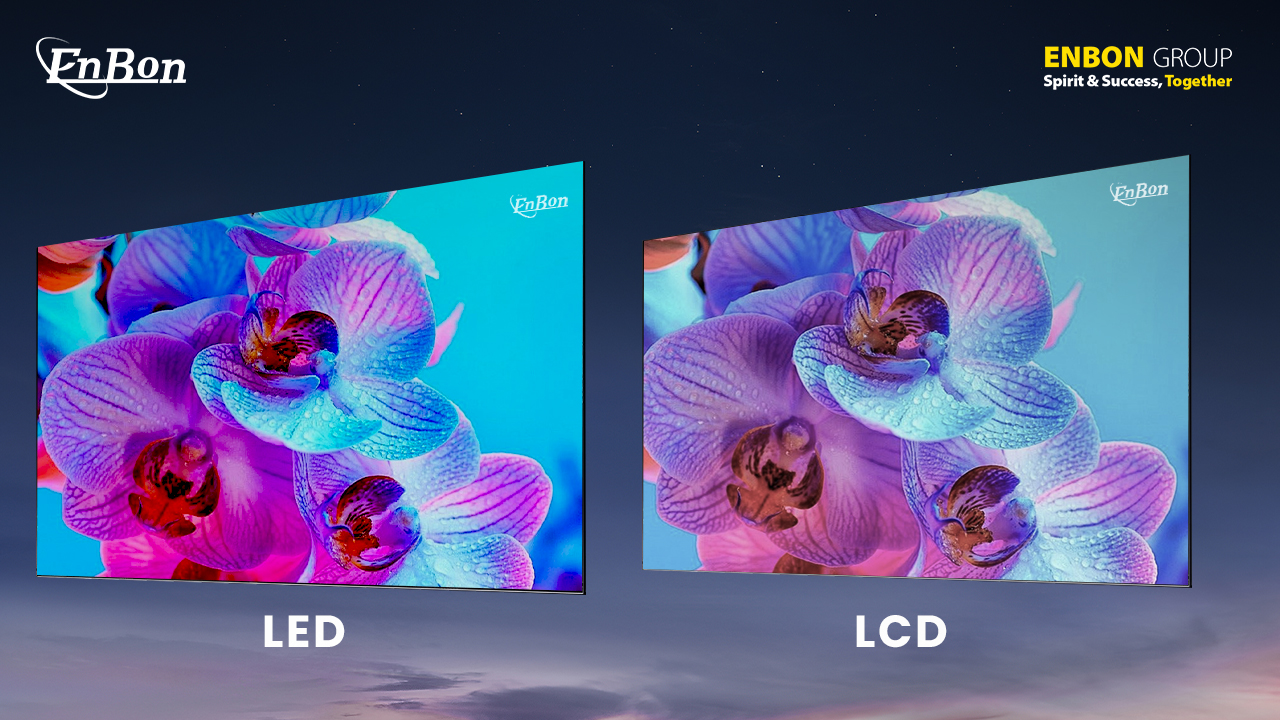
Compare the display quality of LED and LCD technologies to determine their performance in 2025. LED screens offer superior picture quality with vibrant colors, deeper blacks, and better contrast ratios compared to LCD displays. The LED technology provides a more immersive viewing experience, especially in dark rooms, as it can achieve true black levels by turning off individual pixels. On the other hand, LCD screens have limitations in displaying true blacks due to their reliance on backlighting, which can lead to light bleed and reduced image clarity in dark scenes.
In terms of brightness, LED screens generally outshine LCD displays, making them more suitable for well-lit environments where glare can be an issue. LED technology also tends to offer wider viewing angles and faster response times, reducing motion blur during fast-paced scenes in movies or games. However, LCD panels have been known for their affordability and energy efficiency, making them a popular choice for budget-conscious consumers.
Energy Efficiency and Sustainability Factors
As you assess the energy efficiency and sustainability factors, LED technology stands out as the frontrunner over LCD in 2025. LED displays consume significantly less energy than LCDs, making them more environmentally friendly and cost-effective in the long run. LED screens use light-emitting diodes to illuminate the display, requiring less power to operate compared to the cold cathode fluorescent lamps used in LCDs. This efficiency not only reduces electricity bills but also lowers carbon footprints, contributing to a greener future.
Moreover, LED technology is known for its longer lifespan, which means fewer displays end up in landfills, reducing electronic waste. The materials used in LED screens are also more easily recyclable compared to LCD panels, further enhancing their sustainability. By choosing LED displays, you aren’t only saving energy and money but also supporting a more eco-conscious approach to technology. In the realm of energy efficiency and sustainability, LED emerges as the clear winner in 2025.
Cost Analysis and Affordability
LED technology’s cost-effectiveness becomes even more apparent when considering the long-term savings it offers compared to LCD displays. While the initial purchase cost of LED displays may be slightly higher than that of LCD screens, the energy efficiency of LEDs results in lower electricity bills over time. LEDs consume significantly less power than LCDs, leading to reduced energy costs and making them a more affordable option in the long run.
Additionally, LED displays have a longer lifespan than LCD screens, requiring fewer replacements and maintenance expenses.
When looking at the total cost of ownership, LED technology emerges as the more economical choice due to its energy efficiency and durability. By investing in LED displays, you not only save money on energy bills but also reduce the frequency of replacements, ultimately cutting down on overall expenses.
Market Trends and Consumer Preferences
For a clear insight into the market trends and consumer preferences in 2025, you should analyze the growing demand for display technologies that offer enhanced visual quality and energy efficiency. Consumers are increasingly prioritizing displays that provide vibrant colors, sharp images, and low power consumption. LED technology is gaining popularity due to its superior contrast ratios, wider color gamut, and thinner designs compared to LCD. People are gravitating towards LED displays for their immersive viewing experiences and eco-friendly features.
Additionally, the market is witnessing a shift towards larger screen sizes as more individuals seek cinematic experiences in their homes. Customization options such as curved screens and ultra-high-definition resolutions are also becoming more prevalent as consumers look for unique and cutting-edge display solutions.
In 2025, the trend is clear – consumers are leaning towards display technologies that not only deliver exceptional visual performance but also align with their sustainability goals and desire for innovation.
Conclusion
In 2025, LED technology is expected to come out on top compared to LCD in terms of display quality, energy efficiency, and overall sustainability.
With advancements in technology and consumer preferences shifting towards more eco-friendly options, LED displays are likely to dominate the market.
While LCD technology may still have a place in certain applications, the overall trend seems to be in favor of LED displays for the future.