Bed bug sprays can reduce infestations by targeting multiple life stages, but they rarely achieve full eradication alone. They work chemically or naturally, disrupting bugs’ nervous systems or repelling them, yet resistance—especially to common chemicals—limits effectiveness dust mite bites vs bed bugs. Proper application to cracks and seams is essential, along with safety precautions. Because sprays miss hidden bugs and eggs, combining methods like vacuuming or heat treatment often delivers better results. Exploring integrated approaches reveals how to optimize control efforts.

Understanding How Bed Bug Sprays Work
Although bed bug sprays are widely available, understanding how they work is essential before choosing one. You need to know that these sprays target various stages of the bed bug life cycle, including eggs, nymphs, and adults. Effective sprays disrupt the nervous system of bed bugs, causing paralysis and death. However, you must consider their heat tolerance—bed bugs can survive high temperatures for limited periods, but sprays function independently of heat, providing an alternative control method https://igreenasia.com/. Keep in mind that no single spray guarantees total eradication due to the bed bugs’ resilience and hiding behavior. Using sprays as part of an integrated approach enhances your freedom from infestation by addressing vulnerabilities in the bed bug life cycle while accounting for their heat tolerance and resistance mechanisms.
Types of Bed Bug Sprays Available
You’ll find bed bug sprays fall into two main categories: chemical and natural formulations, each with distinct active ingredients. It’s important to understand the difference between residual sprays, which leave a lasting effect on surfaces, and contact sprays that only kill bugs on direct application. Knowing these types helps you choose the most effective treatment for your specific infestation.
Chemical Sprays Overview
When dealing with bed bugs, understanding the types of chemical sprays available is essential for effective treatment. Chemical sprays typically fall into pyrethroids, neonicotinoids, and desiccants, each targeting bed bugs differently. Pyrethroids disrupt the nervous system but face challenges due to widespread pesticide resistance, which reduces their efficacy. Neonicotinoids act on insect nervous receptors and often serve as alternatives when resistance is present. Desiccants work by damaging the insect’s protective outer layer, causing dehydration. When choosing a spray, make sure it complies with local regulatory standards to guarantee safety and legal use. Proper application and rotation of chemical classes can help manage resistance. By selecting the right chemical spray and following guidelines, you maintain control and increase your chances of successfully eliminating bed bugs.
Natural Sprays Benefits
Frequently, natural sprays are chosen as a safer alternative to chemical treatments for bed bugs. These sprays primarily utilize essential oils such as tea tree, lavender, and eucalyptus, known for their insect-repelling properties. When applied correctly, essential oils disrupt bed bug sensory receptors, reducing their activity and deterring infestation. You can also create DIY repellents by diluting these oils with water or alcohol, offering a customizable, non-toxic option. Natural sprays generally pose fewer health risks and environmental hazards than synthetic chemicals, granting you greater freedom in managing your space safely. However, their efficacy tends to be limited to immediate contact and repelling rather than long-term elimination, so understanding their proper use is vital. Incorporating natural sprays can be a strategic component in integrated pest management when combined with other methods.
Residual Vs Contact
While natural sprays offer a safer approach by repelling bed bugs through direct contact, understanding the different types of commercial bed bug sprays can help you choose the most effective treatment. Residual sprays provide prolonged protection by leaving an active chemical layer that continues to kill bed bugs long after application. This residual action is essential if you want lasting results, especially in hidden bed bug habitats. In contrast, contact sprays act instantly upon direct exposure, emphasizing contact speed to quickly eliminate visible bed bugs. However, contact sprays lack lasting effects and require repeated applications. Knowing these differences lets you tailor your approach—use residual sprays for ongoing defense and contact sprays for immediate knockdown—giving you control and freedom from persistent infestations.
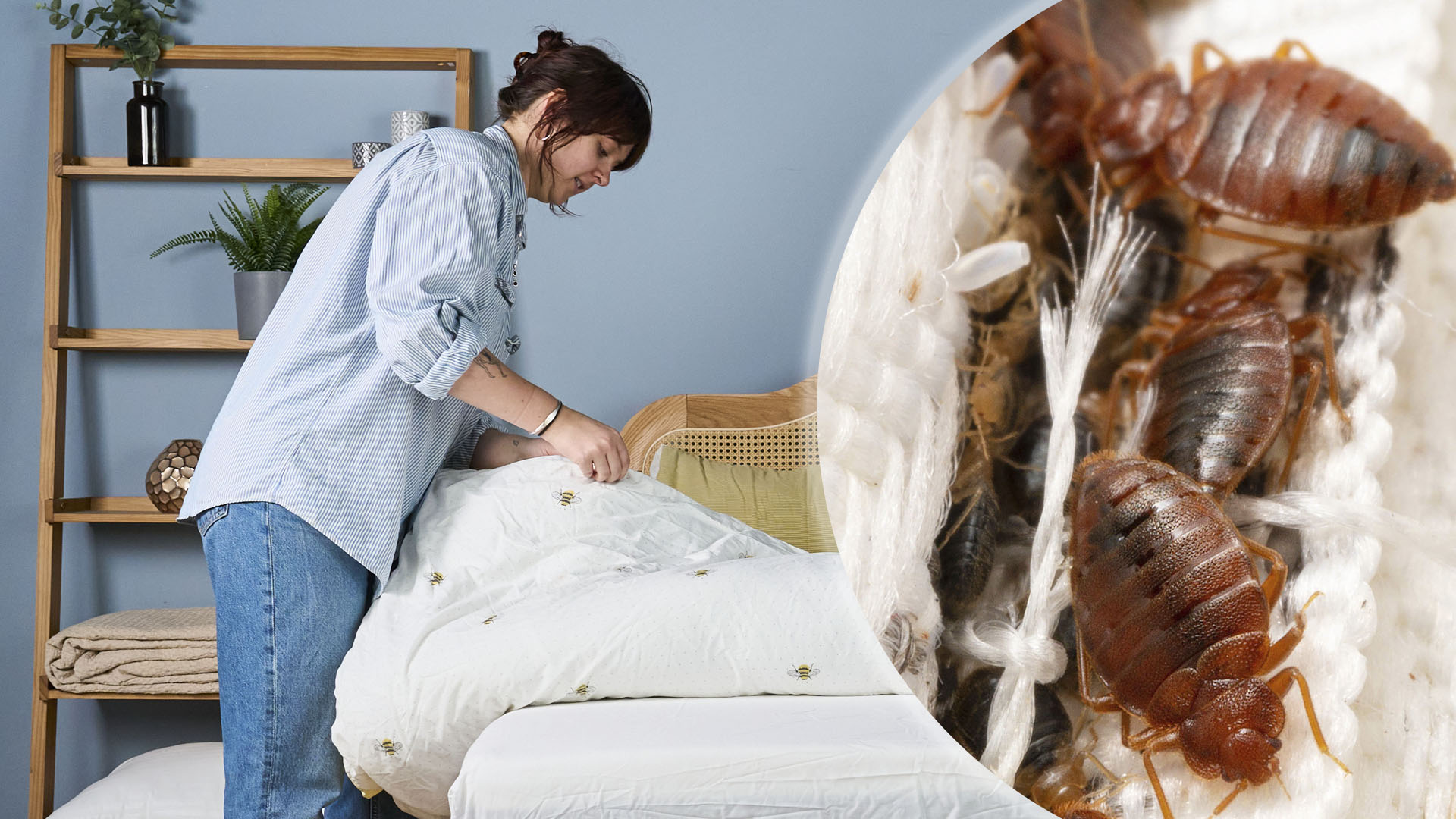
Effectiveness of Bed Bug Sprays in Real-World Use
When you apply bed bug sprays, their impact on infestations depends on proper targeting and product formulation. However, chemical sprays have limitations, including resistance development and incomplete eradication of hidden bugs. Understanding these factors is vital to set realistic expectations for spray effectiveness in real-world scenarios.
Spray Impact on Infestations
Evaluating the impact of bed bug sprays on infestations requires understanding their limitations in real-world applications. When you apply these sprays, their effectiveness hinges on precise infestation mapping and the ability to induce behavioral disruption among bed bugs. Sprays can reduce populations but rarely eradicate entire colonies alone. To maximize impact, you should focus on:
- Accurate infestation mapping to target hotspots directly
- Utilizing sprays that disrupt bed bug behavior, reducing feeding and reproduction
- Integrating sprays with other control methods for thorough management
You’ll find sprays useful as part of a strategic approach rather than a standalone solution. By combining precise application and behavioral insights, you can better control infestations while maintaining your freedom from persistent bed bug issues.
Limitations of Chemical Sprays
Although chemical sprays are commonly used against bed bugs, their effectiveness in real-world settings is often limited by factors such as insecticide resistance, inadequate application, and the bugs’ ability to hide in inaccessible areas. You should understand that resistance development markedly reduces spray efficacy over time, as bed bugs exposed repeatedly to the same active ingredients evolve mechanisms to survive. Additionally, surface penetration is critical; sprays often fail to reach bed bugs concealed within cracks, behind baseboards, or inside mattresses. Without thorough coverage and deep penetration, many bugs remain unaffected, allowing infestations to persist. Consequently, relying solely on chemical sprays may not grant you the freedom from bed bugs you seek. Integrated approaches combining mechanical removal, heat treatment, and targeted chemical use are essential to overcome these limitations effectively.
Proper Application Techniques for Best Results
Applying bed bug sprays correctly is essential to guarantee maximum efficacy and safety. You need to focus on precise surface prep and optimal application timing to disrupt the bed bugs’ life cycle effectively. Before spraying, thoroughly clean and dry infested areas; moisture can reduce insecticide adherence and potency. Timing your application to coincide with bed bug activity peaks—usually at night—enhances contact probability. To assure a thorough treatment, follow these key steps:
- Target cracks, crevices, mattress seams, and furniture joints where bed bugs hide.
- Avoid oversaturating surfaces; a light, even coat maximizes absorption without waste.
- Use protective gear to prevent exposure during application.
Limitations and Risks of Using Bed Bug Sprays
While bed bug sprays can be effective when used correctly, you should be aware of their limitations and potential risks. One major challenge is resistance development; bed bugs often adapt to chemical treatments, reducing spray efficacy over time. This means relying solely on sprays may not guarantee complete eradication. Additionally, improper application can lead to health risks for you and your household, including respiratory irritation and skin sensitivity. Many sprays contain neurotoxic ingredients that require careful handling and ventilation. Overuse or misuse might also contaminate living spaces, restricting your freedom to inhabit treated areas safely. Understanding these constraints vital—bed bug sprays aren’t a universal solution, and balancing effective pest control with minimizing health risks will help you maintain both a bug-free and safe environment.
Combining Sprays With Other Bed Bug Control Methods
Given the limitations and risks associated with bed bug sprays, relying on them alone often falls short of complete eradication. To maximize effectiveness, you should combine sprays with other bed bug control methods within an integrated pest management framework. This approach includes:
- Integrated monitoring to continuously assess infestation levels and spray efficacy.
- Professional coordination to make certain safe application and targeted treatment.
- Physical interventions such as vacuuming, steam treatments, and encasements to eliminate bugs in inaccessible areas.
Conclusion
While bed bug sprays can be a useful tool in your pest control arsenal, they’re rarely a standalone solution. Their effectiveness depends on correct identification, proper application, and combining them with other methods like heat treatment or mattress encasements. Be aware of potential health risks and resistance issues. By understanding these factors and following precise application guidelines, you can improve your chances of successfully managing bed bugs in your home.